44 TikTok Hooks by Format, With Examples (2026)
44 TikTok hooks sorted by the format you're filming: POV, stitch replies, green screen, storytime, day-in-the-life and countdowns. Copy the structure.
Most lists of TikTok hooks are useless for one reason: they hand you the sentence without the format it was written for. "You're doing this wrong" works as a green-screen explainer and falls flat as a POV. The hook and the format are one decision, not two, and the copy-paste lists split them apart.
So these TikTok hooks are sorted the way you actually plan a video: by the format you're about to film. Every hook is tagged with the structural pattern underneath it, so you can rewrite it for your niche instead of posting a line a thousand other accounts already used. There's also one format where the spoken hook barely matters at all, and it's the one most creators get wrong. It's near the end.
TL;DR
TikTok hooks work when the first line and the first frame promise the same thing, and when the structure fits the format you're filming. Each hook below is tagged with one of the six hook patterns that win in 2026: contrarian fact, specific-scene cold open, number that demands explanation, direct address with a stake, tease and reveal, and list promise. The benchmark is the same one we use for Reels: a hook rate of 50%+, meaning at least half the people shown your video watch past three seconds. Short-form feeds test new videos on a small audience first, and a fast swipe from most of them caps reach early.
Why copy-paste TikTok hook ideas stop working
A hook is a promise. The viewer decides in about a second and a half whether the promise is worth the next ten seconds. When a line gets popular, it stops being a promise and becomes a signal: "this is one of those videos." Viewers learned to skip "Nobody talks about this" the same way they learned to skip banner ads.
What survives is structure. A contrarian fact still works when the fact is genuinely yours. A specific scene still works when the scene is specific. That's why every hook below carries a pattern tag: borrow the structure, replace the nouns, keep your own voice.
POV hooks
POV videos put the viewer inside a situation. The hook has to establish who "you" are and what's about to go wrong or right, in one line of on-screen text, because many POVs have no talking at all.
- "POV: you finally read your lease and find the clause your landlord hoped you'd miss." (specific scene)
- "POV: you're the only one in the meeting who read the brief." (specific scene)
- "POV: your first client pays late and you realize you never sent terms." (direct address with a stake)
- "POV: you ordered the 'healthy' bowl and checked the macros after." (tease and reveal)
- "POV: it's your third week of training and the soreness finally stops." (specific scene)
- "POV: you tried the viral hack so the rest of us don't have to." (tease and reveal)
- "POV: you're a nurse on hour eleven and someone asks if you're on break." (specific scene)
The POV works when the situation is narrow enough that the right viewer thinks "that's literally me." "POV: you're tired" is too wide. "POV: you're a nurse on hour eleven" filters instantly.
Stitch and duet reply hooks
Stitches and duets borrow someone else's opening, so your hook is really the reaction. The first words after the clip decide whether viewers stay for your take.
- "This is the most common advice in my industry, and it's why people stay broke." (contrarian fact)
- "She's right about one thing and wrong about the part that costs money." (contrarian fact)
- "I did exactly what this video says for a month. Here's what happened." (tease and reveal)
- "Everyone's agreeing in the comments. As someone who does this for a living, no." (contrarian fact)
- "This is the second time this week I've seen this myth. Let's fix it." (direct address with a stake)
- "Three things this video left out that matter more than the tip itself." (list promise)
- "Watch his hands at second four. That's the whole technique." (tease and reveal)
Keep the borrowed clip short. The viewer came for your reaction, and every extra second of someone else's video is a second they can swipe on.
Green-screen explainer hooks
Green-screen videos put a screenshot, headline or chart behind you. The visual is doing half the hook, so the spoken line should point at it, not repeat it.
- "Look at the date on this headline. Now look at what happened a week later." (tease and reveal)
- "This one chart explains why your rent went up." (number that demands explanation)
- "Everyone shared this study. Almost nobody read the second paragraph." (contrarian fact)
- "If you're job hunting right now, read this line of the posting before you apply." (direct address with a stake)
- "This screenshot is from 2019, and it predicted everything." (tease and reveal)
- "Five red flags in this listing that the photos hide." (list promise)
- "Here's the email that lost this company its biggest client." (specific scene)
The mistake here is reading the headline aloud. The viewer can already see it. Say the thing they can't see: why it matters, what's wrong with it, or what happened next.
Storytime hooks
Storytimes live or die on whether the first line creates a question the viewer needs answered. Start inside the moment, not at the beginning of the day.
- "The client paid in cash, in an envelope, and that should have been my first warning." (specific scene)
- "I got fired over a spreadsheet, and I'd do it again." (contrarian fact)
- "My landlord texted me at 2am with a photo of my car." (specific scene)
- "I turned down a job that paid double. Here's the email that made me say no." (tease and reveal)
- "Two years ago I had $400 and a business idea everyone laughed at." (number that demands explanation)
- "If you've ever been ghosted after a final interview, this one's for you." (direct address with a stake)
- "The wedding was fine until the best man pulled out his phone." (specific scene)
Resist the recap intro ("So this happened a while ago, let me set the scene"). Every word before the tension is a word someone swipes on.
Day-in-the-life hooks
Day-in-the-life content is the format where the hook is mostly visual. The first frame has to show something unusual about the day, and the on-screen text names it.
- "A day in my life as the only baker in a town of 900 people." (number that demands explanation)
- "What a 5am shift at a fish market actually looks like." (specific scene)
- "Day in my life working remotely from a van, including the part nobody films." (tease and reveal)
- "I'm a vet tech. Here's what the first hour of an emergency shift looks like." (specific scene)
- "Spend a workday with me as a freelance designer who charges hourly." (specific scene)
- "What I actually do all day as a 'social media manager,' minute by minute." (contrarian fact)
- "A day in the life of a first-year teacher, the parts that don't make the vlogs." (tease and reveal)
Here's the payoff I promised at the top: this is the format where the spoken hook barely matters. Most day-in-the-life viewers decide from the first frame, so your opening shot has to already be the interesting part of the day. Don't open on your alarm clock. Open on the fish.
List and countdown hooks
Lists are the most reliable TikTok hook ideas because they tell the viewer exactly how long the payoff takes. The number should feel earned, not padded.
- "Three things I'd never buy again as a nurse." (list promise)
- "Five tools I use every day that cost less than lunch." (list promise)
- "Four signs your plant is overwatered, and the fix for each." (list promise)
- "The two questions that end every bad sales call early." (number that demands explanation)
- "Seven words that make your résumé sound junior." (list promise)
- "Ranking every coffee order by how much it actually costs you per year." (list promise)
- "Three habits I dropped that gave me back an hour a day." (list promise)
- "Number four is the one everyone skips, and it's the only one that matters." (tease and reveal)
- "One setting on your phone that's quietly draining your battery." (number that demands explanation)
Say the count out loud and put it on screen. A list with an invisible number is just a rambling video.
How to find the TikTok hooks already working in your niche
A list gets you started. Your niche's winners get you further, and finding them is a workflow you can run in an afternoon:
- Pick five creators your audience already watches, in the exact corner of your niche you post in.
- Open their most-viewed videos from the last two months and note the format of each.
- Pull the exact opener. Paste each video's link into the free TikTok transcript tool to get the spoken words and the on-screen text, because on TikTok the on-screen line is often the real hook. (If you want to know why the on-screen layer matters, how to get a TikTok transcript breaks down the two layers.)
- Tag each opener with one of the six patterns. After twenty or so, you'll see which one or two your audience rewards.
- Match pattern to format. Write your next three videos using the winning pattern inside the format you film best.
Frequently asked questions
What are good TikTok hooks for beginners?
Start with list promises and specific-scene openers, because they're the easiest to write well. "Three things I'd never buy again as a nurse" tells the viewer exactly what's coming. Put the key words on screen too, since many people watch with the sound off.
How long should a TikTok hook be?
Short enough to land in the first second and a half, which usually means under ten spoken words. The on-screen text can carry a second line of context. If the payoff needs more than one sentence of setup, the hook is doing too much.
Do the same hooks work on TikTok and Instagram Reels?
The patterns do: all six work on both feeds, because both test new videos on a small audience and cut reach when viewers swipe fast. What changes is format. Stitches and duets are TikTok-native, so hooks built around a reply need rewriting as standalone openers for Reels.
How do I know if my TikTok hook worked?
Look at how many viewers are still watching at the three-second mark in your video analytics. If most are gone before then, the hook failed, no matter how good the rest of the video is. A strong hook with a weak middle is a pacing problem, not a hook problem.
Turning hooks into a repeatable system
Doing this by hand means stalking five creators, transcribing their openers, tagging patterns in a spreadsheet and repeating it every few weeks as the niche shifts. It works. It also eats a Saturday every month.
CreatorHouse runs that loop for you: it tracks the creators you choose on TikTok and Instagram, transcribes their best videos, surfaces the hooks carrying them, and turns those structures into scripts written in your voice.
Read more
TokScript Alternative: Which Transcript Tool Fits (2026)
Looking for a TokScript alternative? Pick by the job: bulk transcripts, on-screen text, or turning competitor reels into your own scripts.
42 Lifestyle Reel Hooks That Stop the Scroll (2026)
42 lifestyle reel hooks for routines, home, wellness, slow living, city life and budget content, each paired with the first frame that sells it.
42 Instagram Reel Hooks for Nutritionists (2026)
42 reel hooks for nutritionists and dietitians, sorted by content format: myth-busts, grocery hauls, label reads, recipe swaps and client stories.
Real reels, analyzed
See the full transcript, hook, and shot-by-shot breakdown behind viral reels — then turn any of them into your own script.
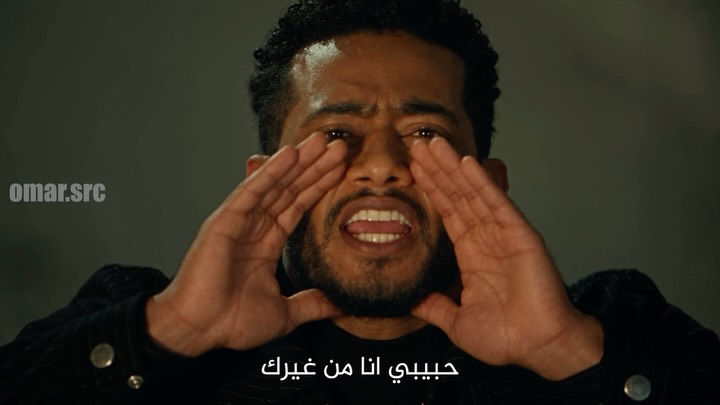 @omar.src376.7KHabibi, I am nothing without you. Like a country without police. Like France without Paris. Like a suit without a shirt.View breakdown
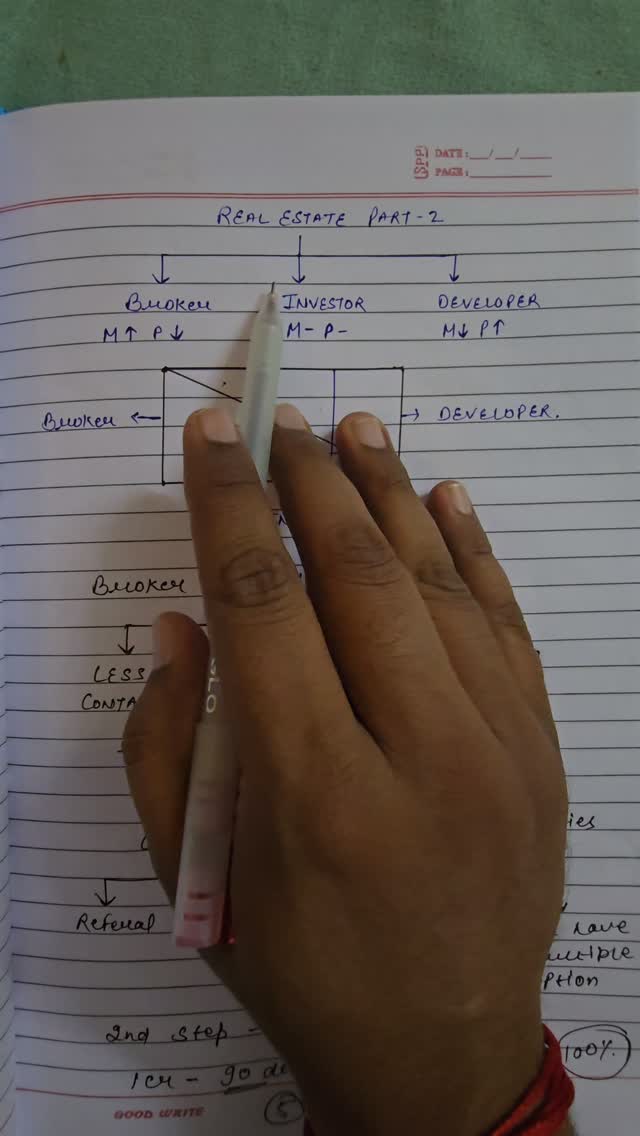 @rupeeraftar217.4Kरियल एस्टेट मार्केट में एक ब्रोकर पैसे कैसे कमाता है और कैसे वह ब्रोकर से इन्वेस्टर इन्वेस्टर से डेवलपर बनता हैView breakdown
 @modelstrangers392.6KExcuse me, sir. Sorry to bother you. My name's Chris and I'm a portrait photographer. I just thought you had a really interesting look.View breakdown