@educacionincondicional's reel — transcript & breakdown
Latest update 4 days agoPlays
—
Likes
14.7K
Comments
380
Engagement Rate
—
Create your own version
Use this post as inspiration to create your own
Caption
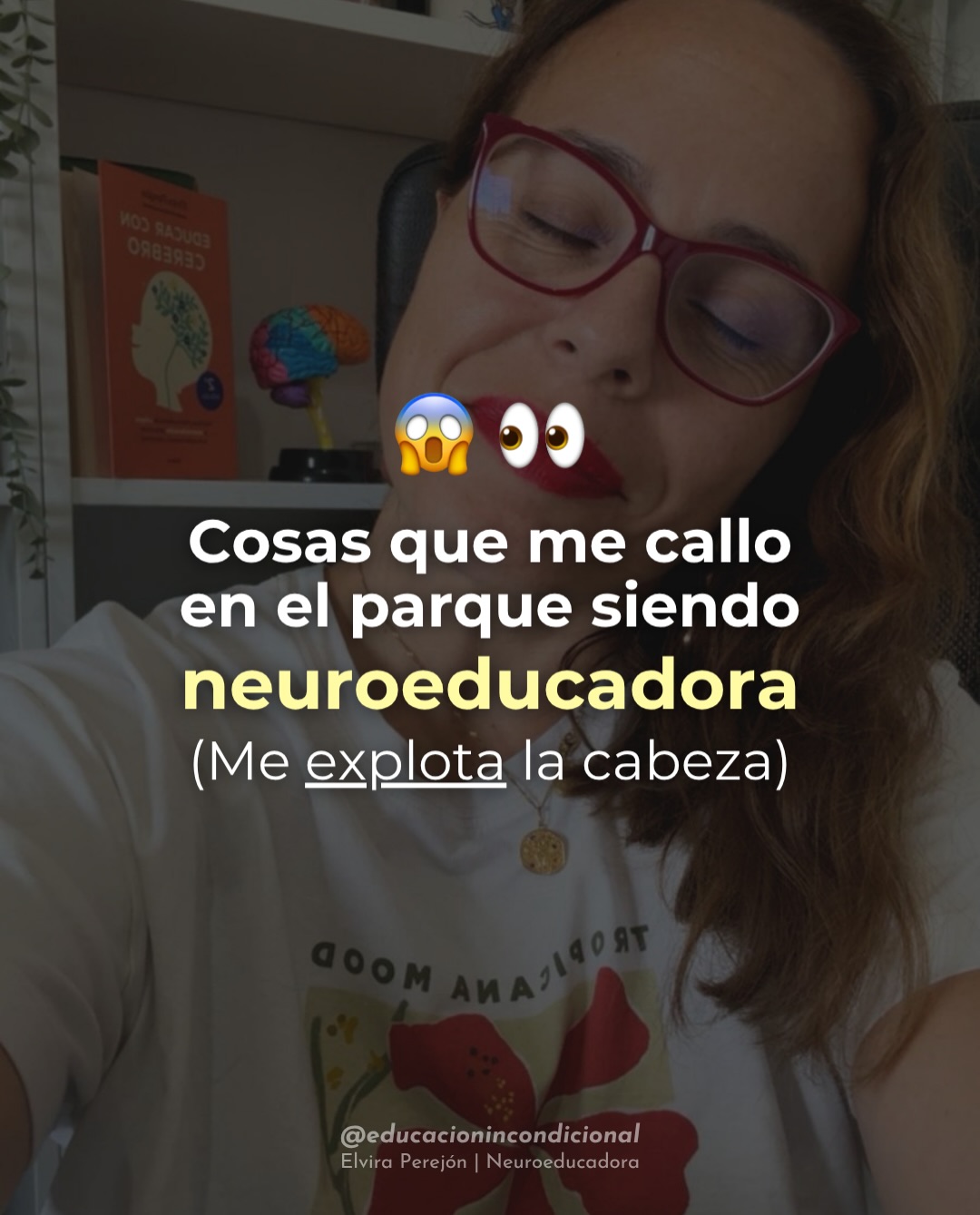
Confieso que mi cerebro de neuroeducadora no sabe desconectar. 🧠😂 Llevo años divulgando sobre crianza consciente, sobre cómo funciona el cerebro infantil y sobre por qué los niños hacen lo que hacen. Y aun así, cada vez que me siento en ese banco con mis hijos, escucho cosas que me cuestan un mundo callarme. No porque juzgue a las familias. Para nada. Estoy señalando ideas sobre la infancia que seguimos repitiendo porque nadie nos explicó cómo funciona realmente el cerebro infantil. Porque yo también he dicho la mitad de estas cosas antes de saber lo que sé. Y porque sé perfectamente que nadie lo hace desde la maldad, sino desde el agotamiento, el desconocimiento y las ganas de que todo vaya bien. Pero mi cerebro es de convicciones fuertes y no puedo callarlo. 😶 Y cada vez que salgo del parque pienso lo mismo: queda mucho por hacer para entender y respetar la infancia. Y mientras quede, aquí estaré. Esa es mi misión y días como hoy me la recuerdan. 💛🧠 Ah! Importante tomarse la vida y la crianza con humor. #crianzaconsciente #neuroeducacion #neurocrianza #crianzarespetuosa
Details
Create your own version
Use this video as inspiration to create a new script
Hook
Cosas que me callo en el parque siendo neuroeducadora
The title slide creates curiosity by promising a peek into unspoken thoughts from a professional perspective, relating to common parenting scenarios.
The first example humorously points out a common misunderstanding of child development regarding sharing.
The second example challenges the dismissal of a child's pain, highlighting adult minimization.
The third example addresses forced reconciliation between children, showing the educator's internal skepticism.
The fourth example criticizes the use of rewards for good behavior, indicating it's a common but problematic practice.
The fifth example corrects the misconception about attention-seeking behavior, clarifying it as a need rather than manipulation.
The sixth example humorously depicts the futility of countdowns for leaving, a common but often ineffective parenting tactic.
The seventh example explains a child's lack of attention due to undeveloped frontal cortex, reframing it as developmental, not personal.
The eighth example advocates for natural frustration, suggesting parents don't need to engineer it further.
The final slide serves as a reflective call to action, reminding the audience of the ongoing mission to educate about brain-based parenting.
Details
More viral reels, analyzed
 @omar.src376.7KHabibi, I am nothing without you. Like a country without police. Like France without Paris. Like a suit without a shirt.View
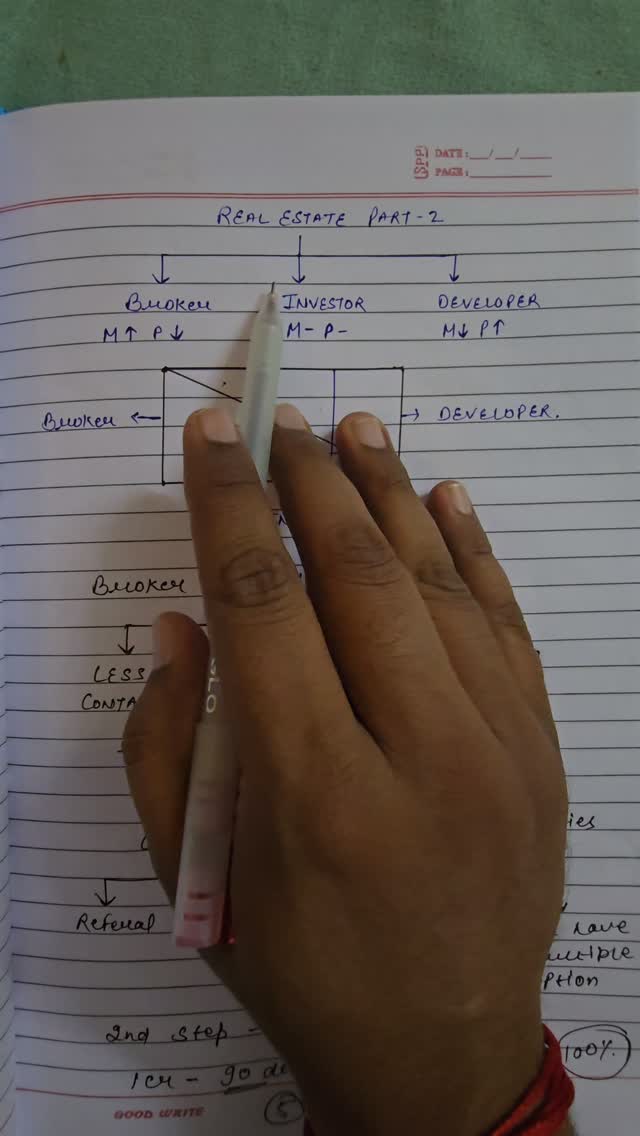 @rupeeraftar217.4Kरियल एस्टेट मार्केट में एक ब्रोकर पैसे कैसे कमाता है और कैसे वह ब्रोकर से इन्वेस्टर इन्वेस्टर से डेवलपर बनता हैView
 @modelstrangers392.6KExcuse me, sir. Sorry to bother you. My name's Chris and I'm a portrait photographer. I just thought you had a really interesting look.View
 @infiniteripple49.1KThis popular atheist philosopher just became Catholic and apparently this 5 hour YouTube video about miracles is what pushed him over the line.View
 @laurennavejarfitness5.5K"What are you training for?"View
 @judith_honest45.6KLOS BEBÉS QUE DUERMEN BIEN TIENEN PADRES QUE HACEN ESTO:View