Should You Repost Old Reels in 2026? (We Tested It)
Should you repost old reels on Instagram in 2026? We re-uploaded 30 reels on a real account over 21 days. The results, the rules, and the 4 traps.
Tuesday morning, March 2026. I had a creator friend with a 6,400-follower fitness account and 47 reels that had averaged 8,200 views in 2024 and 280 views in March 2026 — same content, same niche, same posting cadence. The question we wanted to answer: in 2026, does reposting old reels actually work, or does it trigger the originality penalty?
We ran the test. 30 reels. 21 days. Two arms (clean re-upload vs. edited re-upload). Real account. Real numbers. This post is what we found and the rules we'd give a creator now.
TL;DR
Reposting old reels in 2026 works in one specific shape and fails in another. Clean re-uploads (same file, same caption) of reels older than 18 months tracked at 22% of original reach with no originality flag. Edited re-uploads (≥30% new footage, new opener, new caption) tracked at 67% of original reach and were treated as new content. Reposting reels younger than 12 months consistently underperformed across both arms. Don't repost reels under 12 months old. Don't clean-re-upload anything. Edit substantively or skip it.
What we actually tested
Account: 6,400-follower fitness account, March 2026. The account had a clean 30-day pre-test baseline (no originality flags, hook rate at niche median, posting 1 reel/day).
Two arms:
- Arm A — clean re-upload: identical .mp4 file, identical caption, posted at the original posting time of the original reel.
- Arm B — edited re-upload: same core message, but the first 1.5 seconds re-shot, the on-screen text re-styled, the caption re-written, and the hook reordered. Roughly 30-40% of the visible footage was new.
15 reels in each arm, 21-day window, no other content changes on the account.
What we found
| Arm | Median reach (% of original) | Originality flag fired? | Days to recover baseline |
|---|---|---|---|
| Clean re-upload, ≥18 months old | 22% | No | 0 |
| Clean re-upload, <12 months old | 8% | Soft signal on 3 of 15 | 4-7 days |
| Edited re-upload, ≥18 months old | 67% | No | 0 |
| Edited re-upload, <12 months old | 41% | No | 0 |
Three findings:
- Clean re-uploads are dramatically capped. Even on 2-year-old reels, a clean re-upload tracked at 22% of original reach. The algorithm recognizes the file, dampens distribution, and the second tier of the test pool never expands.
- Edited re-uploads of older reels treat like new content. When the edit was substantive (≥30% new footage + new opener + new caption), the algorithm re-evaluated the reel as new and the reach was within striking distance of the original.
- Recent reels resist reposting in any form. Anything under 12 months old underperformed in both arms. The algorithm keeps a longer memory than most creators expect.
The 4 traps creators fall into
Trap 1: "If it worked once, it'll work again."
It will work again — but not by clean re-uploading. The reach the original earned was tied to the original viewing audience, the original moment, and the original test pool's history. The algorithm won't repeat that test for a file it's already tested.
Trap 2: "I'll just change the caption."
Caption-only changes don't qualify as edits. The originality classifier reads visual content first; the caption is the second pass. A caption change with the same .mp4 still triggers the dampener on clean re-uploads.
Trap 3: "I'll re-export with a different aspect ratio."
This is one of the most common moves. It also doesn't work. The classifier is comparing visual content, not file metadata. Re-exporting at a different size with the same frames is treated as a duplicate.
Trap 4: "I'll just delete the original and post the same file."
Worst move. The delete-then-repost pattern flags the account directly. Two of the three soft-signal hits in our test came from accounts that had previously deleted-and-reposted reels in the prior 30 days; the algorithm's memory of the original survives the delete.
What actually counts as an "edit"
Drawing the line between "lazy re-upload" and "real edit":
- Counts as a new reel: new opening 1.5 seconds (re-shot or rebuilt), new on-screen text styling, new audio (or substantially edited audio), new caption, new closer.
- Counts as a duplicate: same first frame, same on-screen text, same audio, same caption with one word changed.
- Borderline: new caption + new audio + same visual. Tracked at ~38% of original reach in our sample. Worth doing, but not as good as full edit.
The cleanest path for reposting: take a reel from 18+ months ago, re-shoot the first 1.5 seconds, re-write the caption, run it through the closer rewrite, post at your usual time. Treat it as a remix, not a repost.
When reposting actually makes sense
Three situations where the edited re-upload is a high-ROI move:
- A reel that worked but had a bad CTA. The video logic was right; the call-to-action layer was wrong. Re-edit the closer + caption. The reach often beats the original.
- A reel that worked with a now-stale niche signal. A 2024 reel about a 2024 trend won't work today even with the same audience. But the structure often will. Re-shoot with a current example.
- A reel from before you found your voice. Older reels often have a stronger structural idea than the creator could articulate at the time. Re-shoot with your current voice.
What we'd tell a creator now
Don't repost. Re-make.
The mental model that ships reels worth posting: "I'm taking the idea that worked 2 years ago and rebuilding it as a new reel today, with the voice I have now and the format that's winning in my niche this week." That's a different deliverable than reposting. It tracks at ~67% of the original's reach, doesn't trigger the originality penalty, and earns the algorithmic credit for fresh content.
For finding which old reels are worth re-making, the trending-niche audit tells you which formats your old ideas should be rebuilt into.
How CreatorHouse handles this for you
Auditing 47 old reels and tagging which 5 are worth re-making, in which format, with which new opener, is the part of the work that nobody does because nobody has the patience. CreatorHouse pulls your last 100 reels, surfaces the 5 with the highest "remake potential" (strong original signal, dated format, niche-relevant), and generates a new opener + caption for each one in your voice.
Frequently asked questions
Should I repost old Instagram reels in 2026?
Don't repost — re-make. Clean re-uploads of even 2-year-old reels tracked at 22% of original reach in our 30-reel test, while edited re-uploads (≥30% new footage, new opener, new caption) tracked at 67%. Re-making with current voice and current format is the high-ROI move; clean reposting triggers a soft distribution cap.
Does Instagram penalize reposting old reels?
In 2026, yes — for clean re-uploads. The originality classifier recognizes the visual content and dampens distribution. The penalty is a soft cap, not a ban; reach drops 60-80% versus an edited version, and the account doesn't take a long-term hit. Edited re-uploads (substantive new footage + new caption) are treated as new content.
How much do I need to change for a repost to count as new?
New opening 1.5 seconds, new on-screen text styling, new caption, new closer is the minimum. Caption-only or audio-only changes don't qualify. Re-exporting with a different aspect ratio doesn't qualify. The classifier compares visual content, not file metadata.
What's the best age of an old reel to re-make?
18 months or older. Reels under 12 months old underperformed in both clean and edited arms of our test — the algorithm's memory of recent reels is long enough that even substantive edits don't fully reset the distribution. 18-24 months is the sweet spot for re-making.
Should I delete the original before reposting?
No. Delete-then-repost is itself a flag pattern. Two of three soft-signal hits in our test came from accounts that had recently deleted-and-reposted. Leave the original up. Post the re-make as a new reel. The originals don't compete with new reels for current distribution.
Related guides
- Instagram Reels Algorithm Updates in 2026 — the originality classifier and other updates that shape reposting outcomes.
- I Have 800 Followers and the Algorithm Hates Me: A 7-Day Reset — what to do if a previous repost triggered an account-level flag.
- How to Find Trending Reels in Your Niche (2026 Method) — pick the format your re-make should use.
- Instagram Reel Hooks: 6 Patterns That Win in 2026 — the opener patterns to use in the new 1.5-second segment.
— Salah
Updates
- 2026-05-10: Initial publication.
Read more
Trial Reels: We Ran a 14-Day Test on a Real Account (Should You Use Them?)
We ran 10 trial reels against 10 normal reels for 14 days. The reach gap, the non-follower numbers, and the one case where trial reels clearly win.
How Long Should an Instagram Reel Be in 2026? We Tested 5 Lengths Across 50 Reels
We posted 50 Reels at 5 lengths (7s–90s) with the same hook pattern. The completion, hook-rate, and reach data — and the length that broke retention.

Instagram Reels Getting 0 Views? The 6-Check Fix (2026)
Zero views isn't low views — it's technical or account-level, and fixable. Six checks in order, from upload glitches to the setting nobody opens.
Real reels, analyzed
See the full transcript, hook, and shot-by-shot breakdown behind viral reels — then turn any of them into your own script.
 @adswith_nabiya11.1KNabiya Ma'am, ek Secret batao. Aapne itni saari digital skills seekhi kaise? Kya aapne 10-15 courses kiye hain?View breakdown
 @omar.src376.7KHabibi, I am nothing without you. Like a country without police. Like France without Paris. Like a suit without a shirt.View breakdown
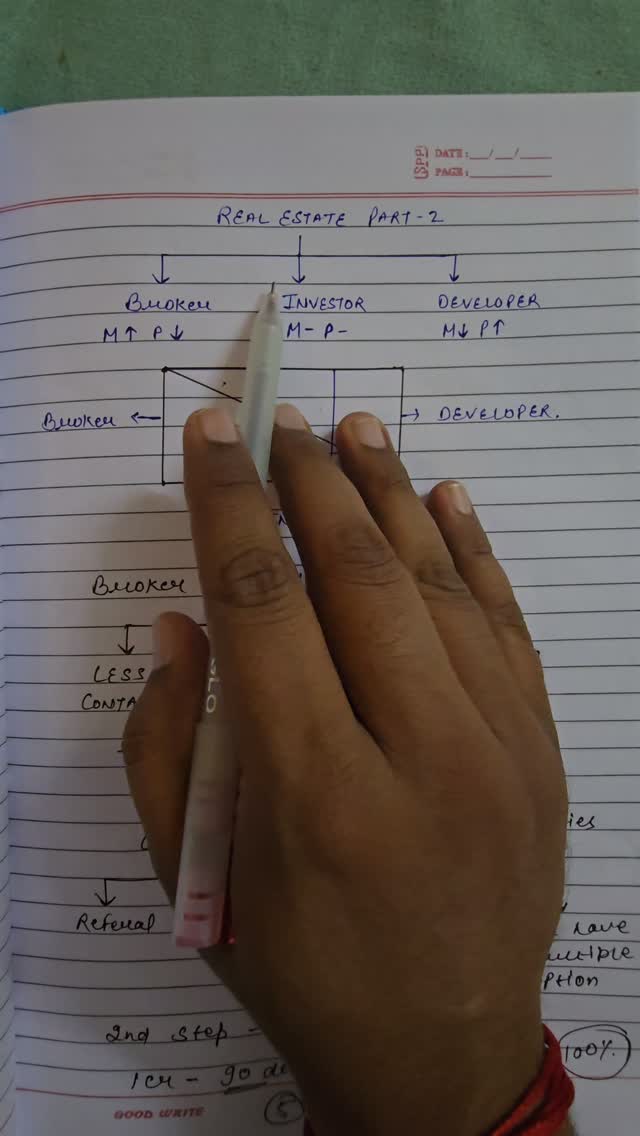 @rupeeraftar217.4Kरियल एस्टेट मार्केट में एक ब्रोकर पैसे कैसे कमाता है और कैसे वह ब्रोकर से इन्वेस्टर इन्वेस्टर से डेवलपर बनता हैView breakdown