How to Steal a Competitor's Hook on Instagram (2026)
How to study and adapt a competitor's hook on Instagram in 2026 without becoming a copy-paste account. The 3-layer extraction method, with examples.
Sunday morning. A creator I work with sends me a screenshot. "I love this person's hooks but I don't want to be a copy-paste account. How do you study someone's hooks without becoming them?"
This is the most under-discussed problem in 2026 creator strategy. Everyone says "study competitors." Almost nobody says how to do it without losing your voice. The fix is structural: every reel hook has 3 layers, and you can copy 1 of the 3 freely without anyone noticing.
This post is the 3-layer method. What to copy. What to match. What to never copy. With examples.
TL;DR
Every reel hook has 3 layers: structure (the pattern — contrarian fact, specific scene, etc.), intent (what it makes the viewer feel), and voice (rhythm, word choice, sense of humor). Copy structure freely. Match intent to your niche. Never copy voice. Accounts that look like copies of someone else copied voice; accounts that grew copied structure. The 4-step extraction method below pulls structure cleanly while leaving voice on the original creator's account.
Layer 1: Structure (free to copy)
Structure is the pattern — one of the 6 hook patterns that win in 2026 (contrarian fact, specific scene, number, direct address with a stake, tease + reveal, list promise). The pattern is shared infrastructure. Patterns are everywhere. Nobody owns them.
Example: a competitor opens with "Tuesday, 6:42am. The kitchen smells like coffee..." That's a specific-scene cold open. You can absolutely run a specific-scene cold open. Pick a different time, a different place, a different sensory detail. The structure transfers. Nobody on Instagram, including the creator you studied, will recognize the structural lift.
The 6 winning structures are documented in the hook patterns post. When you study a competitor's hook, the first thing you do is tag which of the 6 they used. If you don't know, you're not ready to study them yet — go read the patterns first.
Layer 2: Intent (match to your niche)
Intent is what the hook makes the viewer feel — anticipation, recognition, doubt, curiosity, dread, hope. Intent is niche-bound.
A finance creator's "you're losing $11,000 a year by waiting" intent is anxiety + agency: I'm losing money but there's something I can do. A beauty creator's "this $14 product changed my skin" intent is hope + curiosity: there's a small concrete thing I can try. A fitness creator's "most strength coaches train rotator cuff wrong" intent is doubt + correction: what I've been doing is wrong, and there's a fix.
Don't copy intent across niches. A finance hook with beauty intent ("you're going to feel so good after this transfer") reads as off-niche and the algorithm catches it before viewers do. The intent must match what your audience is on Instagram to feel.
Layer 3: Voice (never copy)
Voice is rhythm, word choice, sentence length, sense of humor, sentence-final punctuation, the way you start questions, the metaphors you reach for. Voice is what makes a creator that creator. It's also what AI detectors and Instagram's originality classifier are trained to fingerprint.
If a competitor's voice has these tics:
- Starts most sentences with "The thing is…"
- Uses "but here's what nobody tells you" mid-reel
- Closes with "and that's the move"
You should never use any of those phrases. Not because they don't work — they might work great for that creator — but because anyone watching both accounts will notice within 2 reels, and the algorithm's similarity detector will notice within 1.
The fix: write your hook out loud. Read it before recording. If you'd never say it that way at a dinner table, rewrite it.
The 4-step extraction method
Here's the workflow, applied to a single competitor.
Step 1: Pull the top 5 reels by view count
Open the competitor. Tap reels. Note the top 5 by view count over their last 30 days. Copy the first 5 seconds of each into a doc — the on-screen text, the spoken hook, and a one-line description of the visual.
Step 2: Tag each one's structure
Identify which of the 6 patterns each hook uses. If you can't decide, look at the first 5 words. The structure usually reveals itself in the opener.
| Reel | Hook (first 5 words) | Structure |
|---|---|---|
| 1 | "Tuesday, 6:42am, the kitchen…" | Specific scene |
| 2 | "$847,000 is the median…" | Number |
| 3 | "Most strength coaches train…" | Contrarian fact |
Step 3: Tag each one's intent
What does the hook make the viewer feel? Anticipation, recognition, doubt, curiosity, hope, dread. Be specific. "Curiosity" is too generic; "curiosity-with-a-financial-stake" is precise.
Step 4: Now write 5 of your own — same structures, same intents, your voice
For each of the 5 competitor hooks you tagged, write your own version using the same structure and the same intent, with your own scene, your own number, your own contrarian fact, your own voice. Read each out loud. If any one feels like the competitor would say it, rewrite that sentence.
The 5 hooks you ship are yours. The structure and intent came from study. The voice didn't.
Voice fingerprints to drop entirely
Three patterns of accounts that became copy-paste:
- Copied voice tics. "The thing is…", "But here's what nobody tells you…", "Listen up…", "POV when…". These are voice, not structure. Drop them.
- Copied the visual frame. Same first frame, same on-screen text style, same kerning, same color palette. The visual frame is voice in image form. Don't copy it.
- Used the competitor's exact phrasing on a similar topic. If a competitor opens with "Salting pasta water is overrated" and you open with "Salting pasta water is overrated," the algorithm reads it as duplication. Same idea, different phrasing — that's the move.
When studying multiple competitors
Studying one competitor risks copy-paste. Studying 5-7 competitors prevents it because you see the same structures used with completely different voices, which trains your eye to extract structure from voice instinctively.
The cleaner version of this workflow is in How to Find Trending Reels in Your Niche (2026 Method) — same idea, applied across a competitor set instead of one creator.
How CreatorHouse separates the layers for you
Tagging structure and intent on 5 competitor reels by hand is doable. Doing it on 30 across 7 competitors weekly stops being doable. CreatorHouse pulls competitor reels, tags each hook by structure (which of the 6 patterns) and by intent automatically, and surfaces the structures that the top quartile in your niche shares — without ever showing you the competitor's voice next to your script. You see what to copy without being tempted to copy what you shouldn't.
Frequently asked questions
Is it ethical to study a competitor's Instagram hooks?
Yes — at the structural level. Hooks share infrastructure across creators (the 6 patterns are public), and studying which structures work in your niche is legitimate research. What's not ethical is copying voice, exact phrasing, or visual frame. The line is between learning from and impersonating.
How do I avoid becoming a copy-paste account?
Copy structure, never voice. Read every hook out loud before recording — if you'd never say it that way at a dinner table, rewrite it. Track which competitor inspired each of your hooks for the first 30 days; if more than 6 of 30 came from the same creator, you're studying too narrowly. Add 2-3 more competitors.
Can I use the same hook structure as multiple competitors?
Yes. Specific-scene cold opens, contrarian facts, and numbers are used by hundreds of creators in every niche. The structure is shared infrastructure. The voice is what makes the structure yours.
How many competitors should I study at once?
Five to seven at your follower tier. Below five, one creator's voice will leak into your output. Above ten, the audit takes too long to be repeatable. Five-to-seven gives enough variety to extract structure cleanly while keeping the workflow doable in 30 minutes a week.
What if my niche has only one big creator?
Either your niche is genuinely small (in which case study creators in the adjacent niche and apply the structure to your topic), or your niche is bigger than you think and you need to widen the search. "Faceless aesthetic for night owls" isn't a niche; "faceless aesthetic" is.
Related guides
- Reverse-Engineer Competitor Reels in 9 Minutes — the per-reel deep-dive after you've extracted structure.
- How to Find Trending Reels in Your Niche (2026 Method) — the multi-competitor format-trend audit this method extends.
- Instagram Reel Hooks: 6 Patterns That Win in 2026 — the structure catalog you tag against in step 2.
- Instagram Reel Hooks by Niche: 50 Examples (2026) — pre-built structure-and-intent pairings by niche.
- 42 Instagram Reel Hooks for Food Creators (2026) — 42 ready-to-adapt Instagram reel hooks for food creators, sorted by the 6 patterns that drive hook rate in rec
- Instagram Reel Hooks for Travel Creators (2026) — 40 instagram reel hooks for travel creators — destination, budget & itinerary.
- Most Profitable Instagram Niches in 2026 (How Each One Monetizes) — The most profitable Instagram niches ranked by monetization mechanism, not just growth.
— Salah
Updates
- 2026-05-10: Initial publication.
Read more
Instagram Reel Hooks for Travel Creators (2026)
40 instagram reel hooks for travel creators — destination, budget & itinerary. See the 4x view gap in our Feb 2026 data and the six patterns behind it.
42 Instagram Reel Hooks for Food Creators (2026)
42 ready-to-adapt Instagram reel hooks for food creators, sorted by the 6 patterns that drive hook rate in recipe, process, and review content.
How to Reverse-Engineer Competitor Reels in 9 Minutes (Without n8n or Apify)
The popular tutorial wires up n8n + Apify + ChatGPT. This 9-minute workflow to reverse-engineer competitor Reels needs neither and finds the patterns.
Real reels, analyzed
See the full transcript, hook, and shot-by-shot breakdown behind viral reels — then turn any of them into your own script.
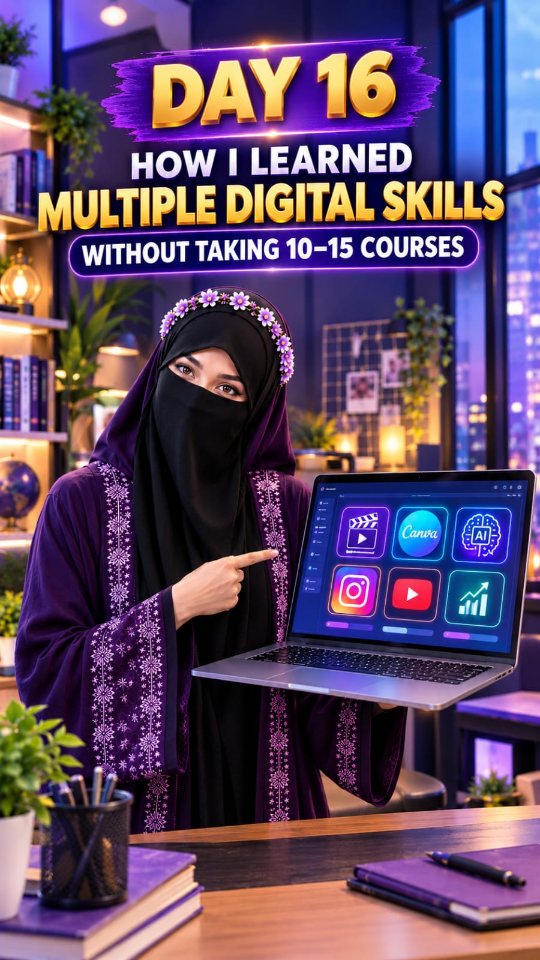 @adswith_nabiya11.1KNabiya Ma'am, ek Secret batao. Aapne itni saari digital skills seekhi kaise? Kya aapne 10-15 courses kiye hain?View breakdown
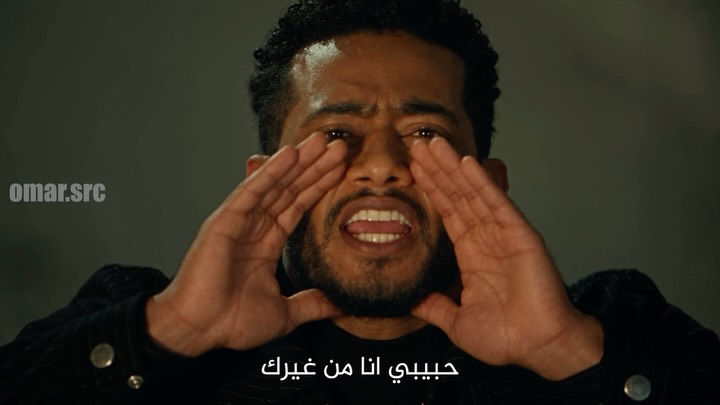 @omar.src376.7KHabibi, I am nothing without you. Like a country without police. Like France without Paris. Like a suit without a shirt.View breakdown
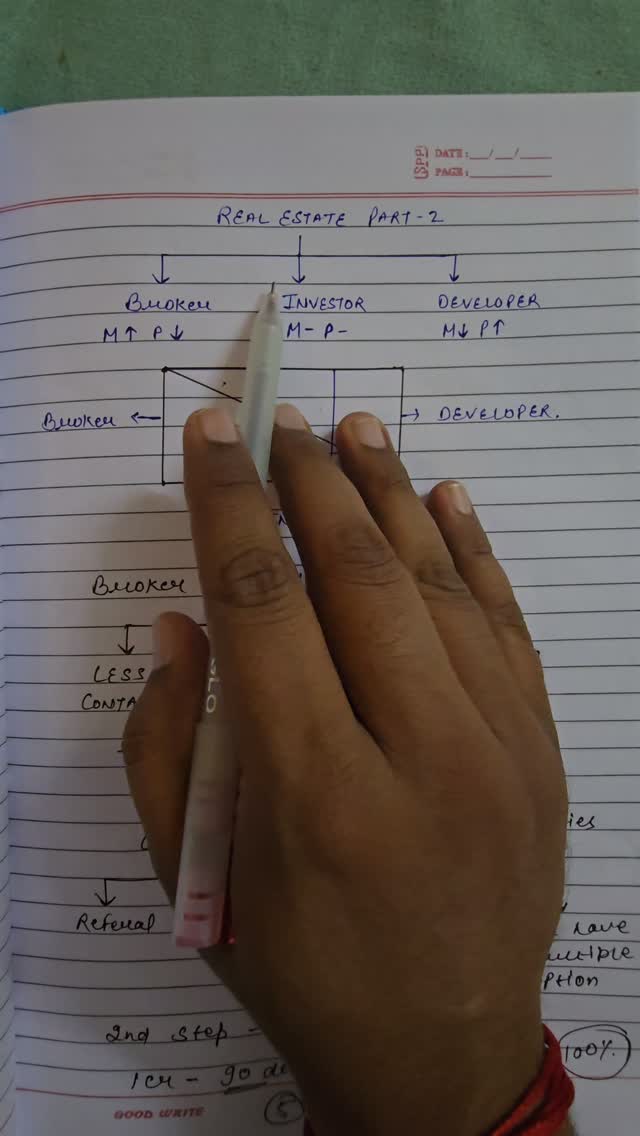 @rupeeraftar217.4Kरियल एस्टेट मार्केट में एक ब्रोकर पैसे कैसे कमाता है और कैसे वह ब्रोकर से इन्वेस्टर इन्वेस्टर से डेवलपर बनता हैView breakdown