@kira_embodimentcoach's reel — transcript & breakdown
Reproducciones
111.7K
Likes
4.1K
Comentarios
183
Tasa de interacción
3.82%
Crea tu propia versión
Usa esta publicación como inspiración para crear la tuya
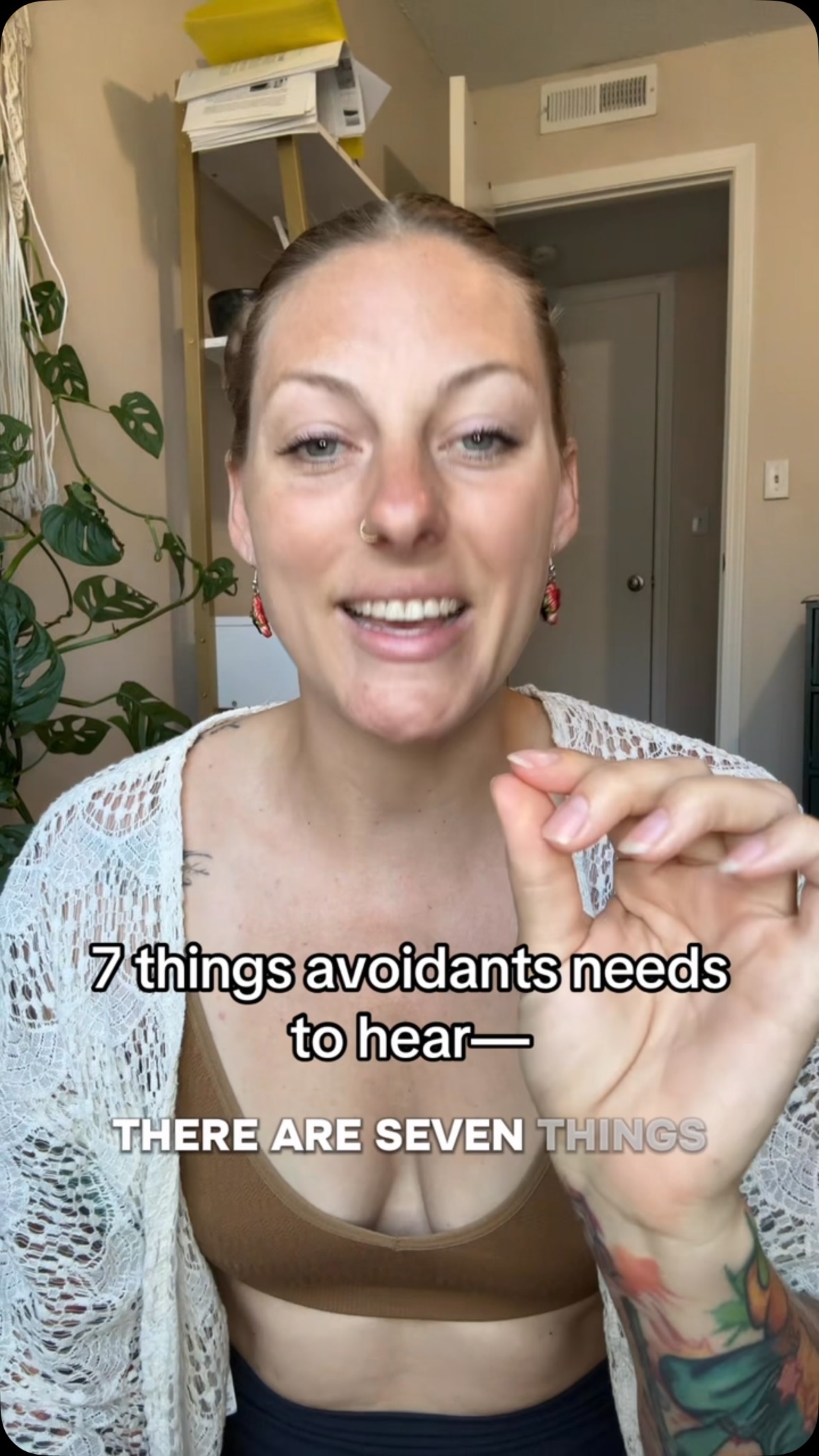
Audio
The video features speech only, with no background music.
Caption
Avoidants are not narcissists… let’s get this straight… avoidants are not narcissistic. Their nervous system Overwhelms in connection and shuts down. They go “numb” even. And here are 7 things avoidants need to hear to start healing. Follow me for more on relational healing. #healing #healingjourney #abandonment_issues #attachmentstyle #abandonmentwounds
Detalles
Create your own version
Use this video as inspiration to create a new script
Gancho
7 things avoidants needs to hear—
The video immediately presents a clear topic with a number, indicating a list-style format that is easily digestible and grabs attention.
“There are seven things that avoidants need to hear.”
Each point directly addresses a common misconception or behavior in avoidant attachment, offering reframed perspectives and insights that resonate with the target audience.
“You don't actually want less intimacy. You want intimacy that feels like it's not overwhelming.”
The speaker challenges the idea that hyper-independence is always beneficial, framing it as a potential 'prison' and encouraging a shift towards healthy connection.
“Number two. Independence is beautiful until it becomes a prison.”
The speaker dives deeper into the root cause of avoidant behavior, identifying vulnerability as unsafe for the system rather than people being 'needy.'
“Number three. The problem is not that people need too much from you. It's that vulnerability feels extremely unsafe to your system.”
The speaker shares a personal anecdote to illustrate that pulling away offers temporary relief but hinders true healing, building credibility and relatability.
“Number four. Pulling away is gonna give you relief, but the relief is not the same thing as healing.”
This point confronts the avoidant's protective mechanisms, suggesting that the person they are protecting themselves from is often themselves, not their partner.
“Number five. The person that you're protecting yourself from may not be your partner. It's probably you.”
The speaker normalizes the feeling of wanting to run even when deeply in love, while emphasizing the importance of staying and observing these urges for growth.
“Number six. You can love someone deeply and still feel the urge to run.”
The final point distinguishes between healthy space and emotional exile, highlighting how avoidance ultimately causes more pain and hinders genuine connection.
“Number seven. Space is healthy, but emotional exile is not healthy.”
A direct call to action invites engagement and offers further support for those ready to change their avoidant patterns, creating a clear path for audience interaction.
“If you're ready to shift this and you're tired of being avoidant, comment ready below.”
Details
More viral reels, analyzed
 @healthy.organic.ways52.3Kshe curved him on the kiss cam 💀View
 @mingsanhealing840.8KPurple supports the brain.View
 @drewcanole1.8MThe Secret Question That Rewires Your Child's Brain in 14 NightsView
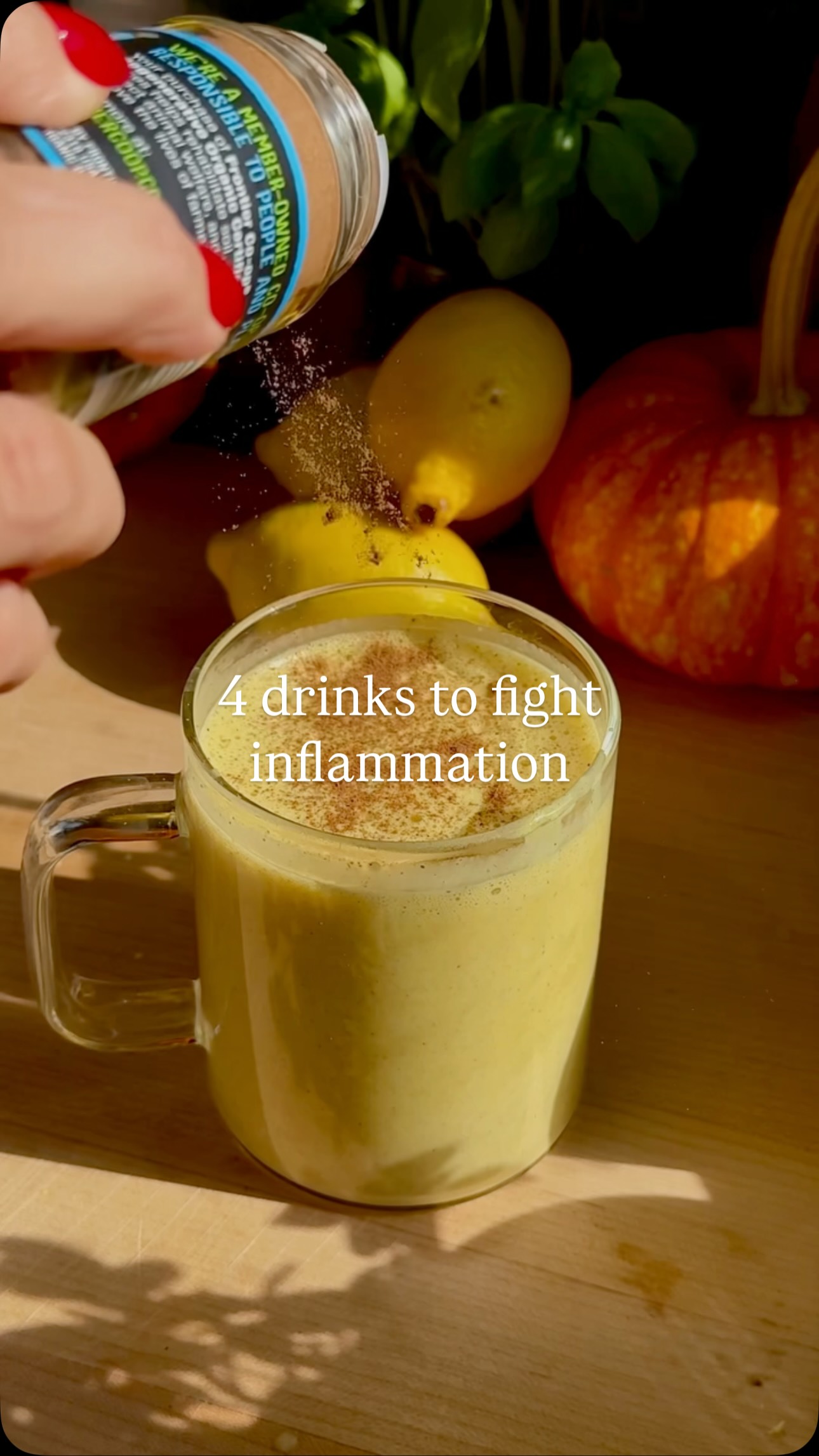 @thebalanceroutine1.9M4 drinks 1 make every week to fight chronic inflammation (the silent killer behind almost every diseaseView
 @cbum4.9MDo hard things intentionally.View
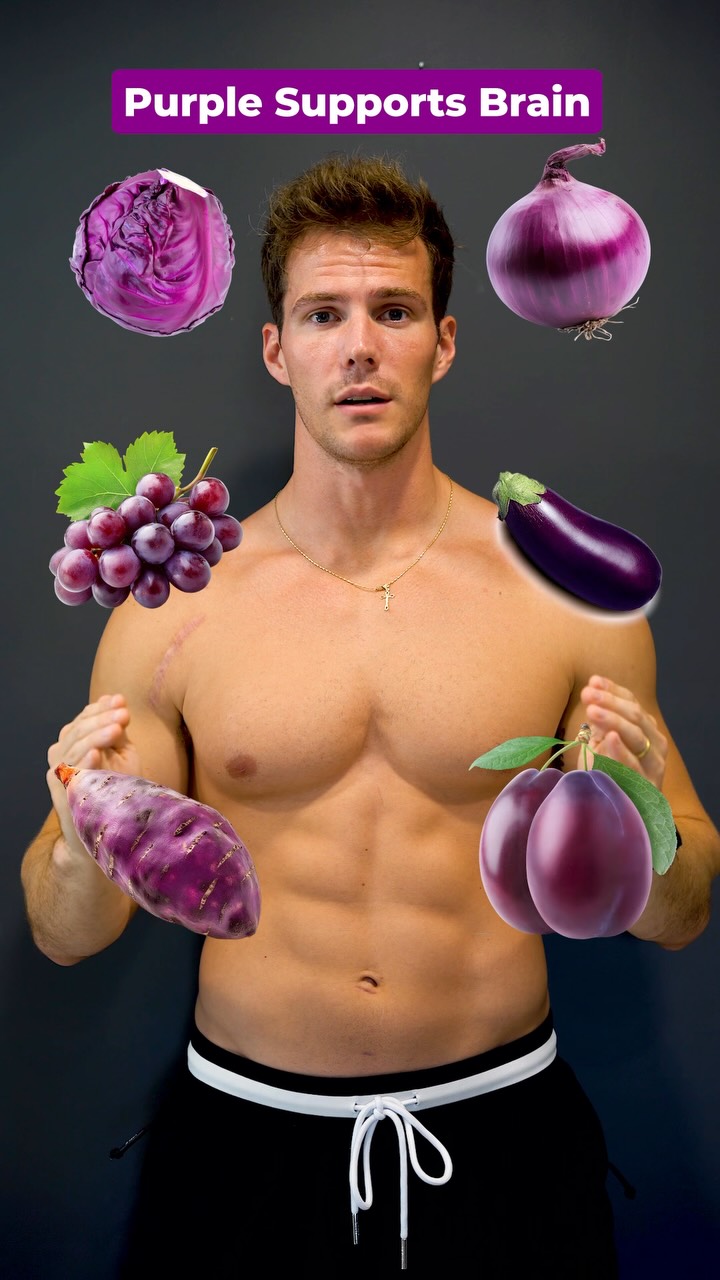 @michaeldean2.0895.6KPurple supports brain.View