How the Instagram Reels Algorithm Actually Works (2026)
There is no single Instagram algorithm. How Reels ranking actually works in 2026: eligibility, the test audience, and the signals that expand reach.
There is no single "Instagram algorithm." There are separate ranking systems for Feed, Stories, Explore, and Reels, each optimizing for different behavior — and when creators say "the algorithm hates me," they're almost always talking about the Reels recommendation system specifically. That one decides whether strangers see your content. It's also the one most explainers describe wrong, usually by recycling how it worked years ago.
Here's the 2026 version, mechanically: what the Instagram Reels algorithm checks before your Reel can travel, how the testing process works, which signals expand distribution, and which beliefs are folklore. One of the strongest ranking signals barely gets mentioned in creator advice; it's in the signals table below.
TL;DR
The Instagram Reels algorithm is a recommendation pipeline with three stages: eligibility (is this account and Reel allowed in recommendations at all?), testing (the Reel is shown to a small audience of 100–500 viewers, mixing followers and non-followers), and expansion (strong early retention and engagement unlock progressively larger cold audiences). Reach is decided primarily by watch behavior in the first seconds — hook rate 50%+ is the working benchmark — plus completion and sends. Eligibility problems look like a shadowban; content problems look like low test scores. The fixes are completely different.
Stage 1: Eligibility — the gate before the contest
Before ranking happens, the system answers a yes/no question: can this Reel be recommended to non-followers?
Three things can answer "no":
- Account state. Repeated violations, spam-pattern behavior, or accumulated borderline content put an account into reduced distribution. Instagram shows this openly in Settings → Account Status → Account and post reach — the closest thing to an official algorithm dashboard that exists.
- Content category. Some content is allowed on the platform but excluded from recommendation: borderline health claims, sexually-suggestive classifier trips, promised financial returns. The post stays up; cold reach never arrives.
- Originality. Since the Sept 2025 originality update, recycled content (visible watermarks, re-uploads, low-effort reposts) is heavily demoted or excluded.
An ineligible Reel can still reach your followers, which is why suppressed accounts see views collapse to a follower-only baseline rather than zero. If that's your symptom, run the shadowban check first — no amount of better hooks fixes an eligibility problem.
Stage 2: The test audience
Every eligible Reel gets an audition. The system shows it to a small initial pool — on the order of 100–500 viewers, weighted toward people likely to be interested (some followers, some non-followers with matching watch history) — and measures what they do.
What the test measures, in rough order of weight:
| Signal | What it is | Why it matters |
|---|---|---|
| Watch-through (hook) | Do viewers stay past the first moments, or swipe inside ~1.5 seconds? | The strongest early kill-switch: heavy instant-swiping caps distribution before anything else registers |
| Completion & rewatch | Do viewers finish the Reel? Watch it twice? | The clearest "this satisfied someone" signal the system has |
| Sends per reach | How often viewers share the Reel relative to how many saw it | The under-discussed one — Instagram has said outright that sends are a top signal, yet almost no creator optimizes for "would someone DM this?" |
| Saves & comments | Reference value and conversation | Strong, but they lag watch signals; nobody saves a Reel they swiped away from |
| Likes | Lightweight approval | The weakest of the set; counts, but decides little |
That's the open loop closed: sends per reach is the signal hiding in plain sight. A Reel that 4% of viewers DM to a friend travels further than one with triple the likes, because a send is the highest-cost endorsement a viewer can give.
Stage 3: Expansion loops
Pass the audition and the system runs the same test on a larger, colder audience. Pass again, larger still. Every viral Reel is just a Reel that kept passing successively bigger tests; every "flop" is a Reel that failed an early round. This is also why reach arrives in waves (a Reel can sit quiet for a day, then surge — a later test round landed) and why view counts only make sense relative to your own baseline.
Two structural consequences worth internalizing:
- Every Reel re-auditions. Big accounts get a warmer test pool, not a free pass. This is why follower count and reach decoupled, and why small accounts genuinely can outrun big ones on cold reach.
- The system optimizes per-Reel, but learns per-account. A run of strong Reels improves what the test pool looks like for your next one; a run of ignored Reels does the opposite. Consistency is an algorithmic input, not just a work ethic.
What the algorithm does NOT care about (2026 folklore audit)
| The belief | The reality |
|---|---|
| "Hashtags decide reach" | Hashtags are weak categorization metadata in 2026. Useful for search context, irrelevant next to watch signals |
| "Posting time is critical" | Minor. The test process finds your audience across hours; a great Reel posted at 6am still travels |
| "Editing apps / watermarks from CapCut hurt you" | The originality systems target re-uploaded content, not tool metadata. (Visible TikTok watermarks are a different story) |
| "Engagement pods help" | Reciprocal-engagement patterns are a negative eligibility signal — the opposite of helping |
| "Deleting flops hurts your account" | No documented mechanism. Deleting a flop neither punishes nor rescues anything |
| "30 minutes of pre-post scrolling warms the algorithm" | Folklore. The test audience doesn't know what you did before posting |
So what do you actually control?
Three things, in order of leverage: whether you're eligible (behavioral hygiene, original content), whether strangers stop scrolling (the first 1.5 seconds — hooks are a learnable craft), and whether the Reel is worth finishing and sending. Everything else in the advice economy is noise around those three. The full 2026 playbook covers the system end to end.
Frequently asked questions
How does the Instagram Reels algorithm decide what to show?
It predicts, per viewer, the likelihood they'll watch, finish, and interact with a Reel, based on their history and the Reel's performance with similar viewers so far. Reels that keep beating predictions get shown to progressively larger audiences.
Does the algorithm favor big accounts?
It favors accounts with a history of strong watch signals, which correlates with size but isn't size. New Reels from every account re-audition with a test audience.
How long does the algorithm test a Reel?
There's no fixed window. Most Reels see their first meaningful distribution within hours, but expansion waves can arrive days or weeks later if a Reel keeps performing with new pools.
Did the algorithm change recently?
It changes constantly in small ways; the structural shifts (originality enforcement, send-weighting, trial reels) arrive a few times a year. We track them in the 2026 algorithm updates changelog.
The part the algorithm can't see
The system measures outcomes — it has no opinion about your niche, your format, or what next week's winning hook looks like. The accounts already passing big test audiences in your niche are the only public record of what your shared audience rewards. Reading that record by hand means hours of transcribing; CreatorHouse pulls any account's top Reels, transcribes them, and shows you the hooks and structures that keep passing the tests you're about to take.
Read more
Instagram Reels Stuck at 200 Views: The 2026 Fix Path
Reels stuck at 200 views? The 2026 algorithm has a specific reason and exit. Diagnose, fix, and escape in 14 days — not by posting more.
Instagram Reach Dropped Overnight? 2026 Triage Guide
Instagram reach dropped overnight? Run the 2026 triage in order — most accounts find the cause in under 20 minutes, before changing strategy.
Instagram Reels Not Getting Views? The 7-Point Diagnostic for the 2026 Algorithm
Reels not getting views? Run the 7-point diagnostic in order — each check has a threshold and a fix, and the first 'no' is your problem.
Real reels, analyzed
See the full transcript, hook, and shot-by-shot breakdown behind viral reels — then turn any of them into your own script.
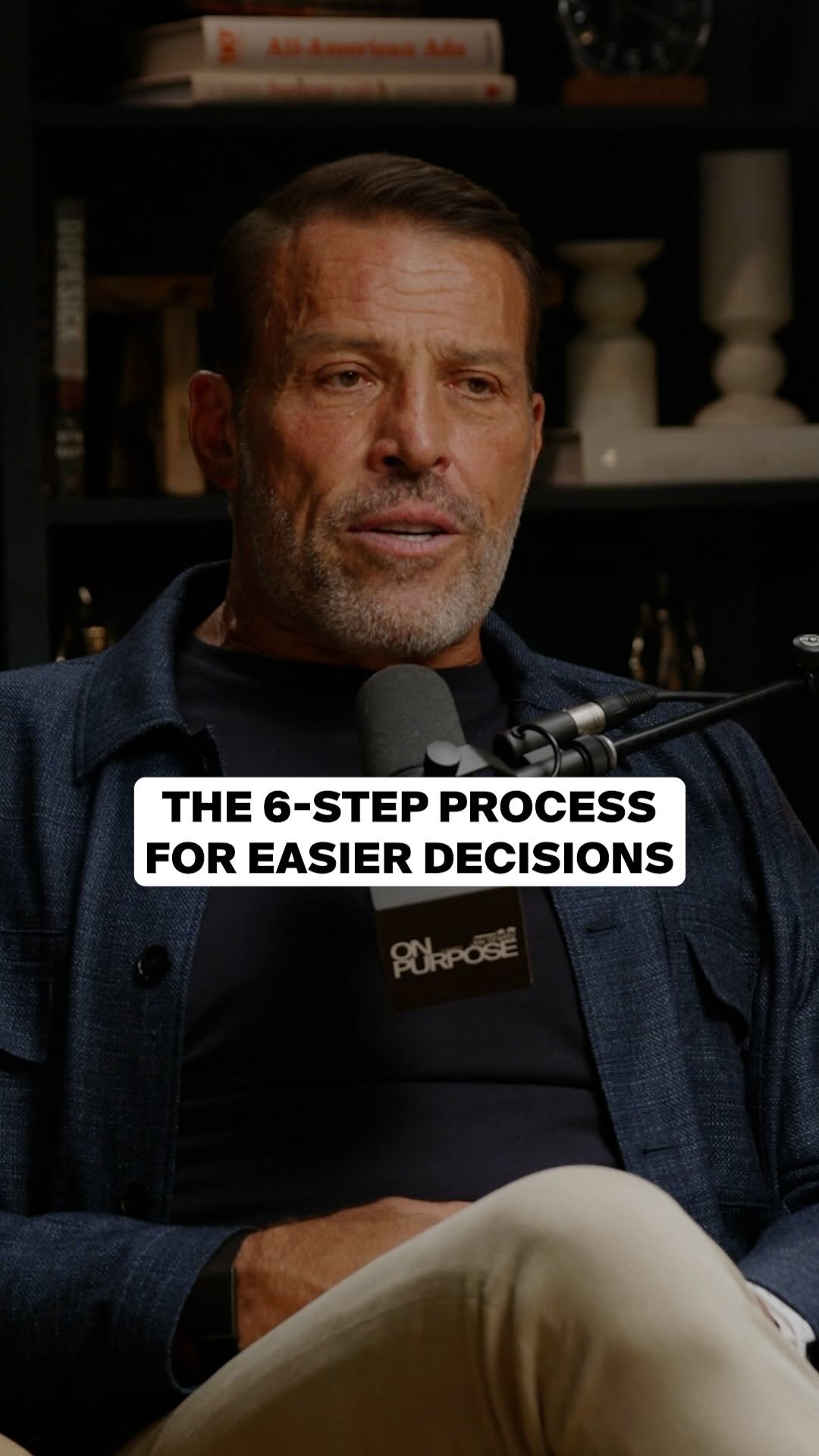 @tonyrobbins1.3MI've made personally $400 million from one decision I made from this. I have a six-step process, and I call it OOC-EMR.View breakdown
 @tubaraomotiva920.3KUma coisa que eu tenho com Rebeca hoje, ela chega, ó, temos que conversar. A primeira pergunta que eu faço: é para resolver ou para ouvir?View breakdown
 @wantsandneedsbrand_269.3KPOV: you're late for work but your in the new Tesla roadsterView breakdown