Transcript of @lewishatchett's reel
DV6grPIDMnw
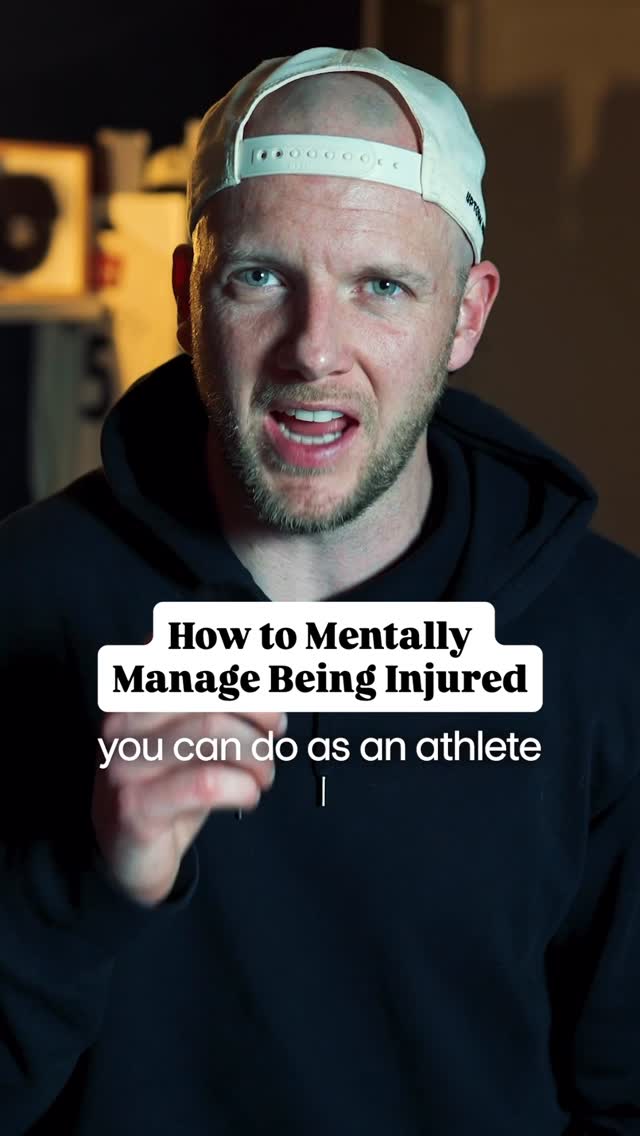
How to Mentally Manage Being Injured
Envie de voir les mots qui rendent cette accroche virale ?
Inscription gratuite pour voir les mots-clés qui font le travail + 50+ accroches similaires de votre niche.
Here are five things you can do as an athlete if you get injured to stay positive.
And even if you're not injured right now, possibly save this post in case you happens in the future.
And this comes from someone that was a pro athlete.
They've got injured a lot and now helps athletes with the mental game that suffer with injuries along that journey.
So number one is to just acknowledge that it sucks.
You're gonna feel a load of emotions of seeing other athletes going off and doing what you want, maybe people taking your spot.
You're gonna feel left behind.
But you just have the emotions that you're feeling right now.
They are totally normal.
Everyone who gets injured feels them.
So start from there.
The emotions you're feeling right now are completely normal.
Number two is to look at other people's journeys that have possibly had a similar injury to you.
Someone who has been on the journey that you're going on, maybe they've felt the emotions, maybe you can communicate, reach out to them.
Or just see how they overcame the injury overall.
All you're doing here is just looking for inspiration because you know that someone else is possibly gone on the journey you're about to go on.
Number three is to make a personal plan.
Start to look at the things that you can improve on.
There are likely some blind spots that you may not have been aware of, that possibly got you the injury, and you can start to plan how you're going to bring them into your program, into your schedule, into your routines.
Or maybe it's just planning out the stage of recovery so that having a plan gives you something motivated to work towards.
Number four is to develop new skills.
I've seen athletes learn a new language, start a new hobby, so that when they go back to their sport, they're not just an athlete, they have so much more.
And that actually helps them in the long run with their mental health.
When they can switch off from the event that they're going back to, they finally have had the time to learn something new because their sport was taking over their life.
So use this time to find something that you can dive into and maybe start to excel at number five.
Visualize.
Visualization has been found in the research to be a really effective tool in helping athletes to maintain their skills when they come back, just by viewing yourself, either doing the skill that you were doing in the past or how you want to do it in the future, can drastically improve your chances of coming back and performing when you get back.
So yeah, if you're injured, I'm sorry that's happened to you, but know that if you follow some of these things, then you'll be able to turn that setback into one of your greatest comebacks.
You got this.
Transformez ce reel en votre propre script
Remixez l'accroche avec l'IA dans votre voix — prêt à tourner en quelques minutes.
[TEXT: "How to Mentally Manage Being Injured"]
"Here are five things you can do as an athlete if you get injured to stay positive."
"And even if you're not injured right now, possibly save this post in case you happens in the future."
"And this comes from someone that was a pro athlete."
"They've got injured a lot and now helps athletes with the mental game that suffer with injuries along that journey."
"So number one is to just acknowledge that it sucks."
"You're gonna feel a load of emotions of seeing other athletes going off and doing what you want, maybe people taking your spot."
"You're gonna feel left behind."
"But you just have the emotions that you're feeling right now."
"They are totally normal."
"Everyone who gets injured feels them."
"So start from there."
"The emotions you're feeling right now are completely normal."
"Number two is to look at other people's journeys that have possibly had a similar injury to you."
"Someone who has been on the journey that you're going on, maybe they've felt the emotions, maybe you can communicate, reach out to them."
"Or just see how they overcame the injury overall."
"All you're doing here is just looking for inspiration because you know that someone else is possibly gone on the journey you're about to go on."
"Number three is to make a personal plan."
"Start to look at the things that you can improve on."
"There are likely some blind spots that you may not have been aware of, that possibly got you the injury, and you can start to plan how you're going to bring them into your program, into your schedule, into your routines."
"Or maybe it's just planning out the stage of recovery so that having a plan gives you something motivated to work towards."
"Number four is to develop new skills."
"I've seen athletes learn a new language, start a new hobby, so that when they go back to their sport, they're not just an athlete, they have so much more."
"And that actually helps them in the long run with their mental health."
"When they can switch off from the event that they're going back to, they finally have had the time to learn something new because their sport was taking over their life."
"So use this time to find something that you can dive into and maybe start to excel at number five."
"Visualize."
"Visualization has been found in the research to be a really effective tool in helping athletes to maintain their skills when they come back, just by viewing yourself, either doing the skill that you were doing in the past or how you want to do it in the future, can drastically improve your chances of coming back and performing when you get back."
"So yeah, if you're injured, I'm sorry that's happened to you, but know that if you follow some of these things, then you'll be able to turn that setback into one of your greatest comebacks."
"You got this."
The video starts with an on-screen text question that immediately grabs attention from athletes who might be injured.
“Here are five things you can do as an athlete if you get injured to stay positive.”
The speaker provides the first actionable tip, starting with acknowledging emotions, which resonates with personal experience.
“So number one is to just acknowledge that it sucks.”
The second tip encourages seeking inspiration from others with similar experiences, fostering a sense of community and hope.
“Number two is to look at other people's journeys that have possibly had a similar injury to you.”
The third and fourth tips focus on proactive planning and skill development during recovery, shifting the mindset from passive waiting to active growth.
“Number three is to make a personal plan... Number four is to develop new skills.”
The fifth tip introduces visualization, a proven mental technique for maintaining and improving skills despite physical limitations.
“Visualize. Visualization has been found in the research to be a really effective tool.”
The video concludes with a powerful, encouraging message that reframes injury as an opportunity for a comeback, boosting morale.
“So yeah, if you're injured, I'm sorry that's happened to you, but know that if you follow some of these things, then you'll be able to turn that setback into one of your greatest comebacks. You got this.”
- Genre
- Motivational Background
- Mood
- Uplifting
- Tempo
- Medium
- Type
- trending_sound
Upbeat motivational music plays lightly in the background.
Trouvez plus de reels comme celui-ci dans votre niche
Suivez vos concurrents et voyez ce qui marche vraiment — mis à jour chaque jour.
CreatorHouse transcrit, analyse et remixe le contenu de vos concurrents et de votre bibliothèque — tout dans un même espace.